Best Materials for Coastal Homes in Fort Myers, Florida
Updated: Apr 30
Hurricane-Resistant, Salt-Air Durable, and Flood-Ready Construction Materials in Lee County
Building a custom home in Fort Myers, Florida requires far more than selecting finishes based on aesthetics. In a coastal environment shaped by FEMA flood zones, hurricane wind loads, salt-air corrosion, and high humidity, material selection directly impacts durability, maintenance costs, insurance, and long-term structural performance.
Unlike inland construction, where standard materials may perform adequately for decades, coastal homes in Lee County demand high-performance materials engineered to withstand:
Salt-air corrosion
Wind-driven rain and hurricane exposure
Flood conditions and moisture intrusion
UV degradation and extreme heat
High water tables and soil instability
Choosing the wrong materials in Fort Myers doesn’t just lead to maintenance issues, it can result in premature failure, insurance complications, and significantly higher long-term costs.
This guide breaks down the best materials for coastal homes in Fort Myers, Florida, how they perform in real-world conditions, and how they influence cost, durability, and design. For a complete overview of how materials fit into custom home construction, visit our Fort Myers Custom Home Builder & Remodeling Guide.
Best Materials for Coastal Homes in Fort Myers (Quick Answer)
The best materials for coastal homes in Fort Myers, Florida are those engineered to resist salt-air corrosion, hurricane wind loads, moisture intrusion, and FEMA flood zone conditions. The top-performing materials include:
Concrete block (CMU) or insulated concrete forms (ICF) for structural walls
Fiber cement siding or porcelain panels for exterior cladding
Impact-rated aluminum windows and doors
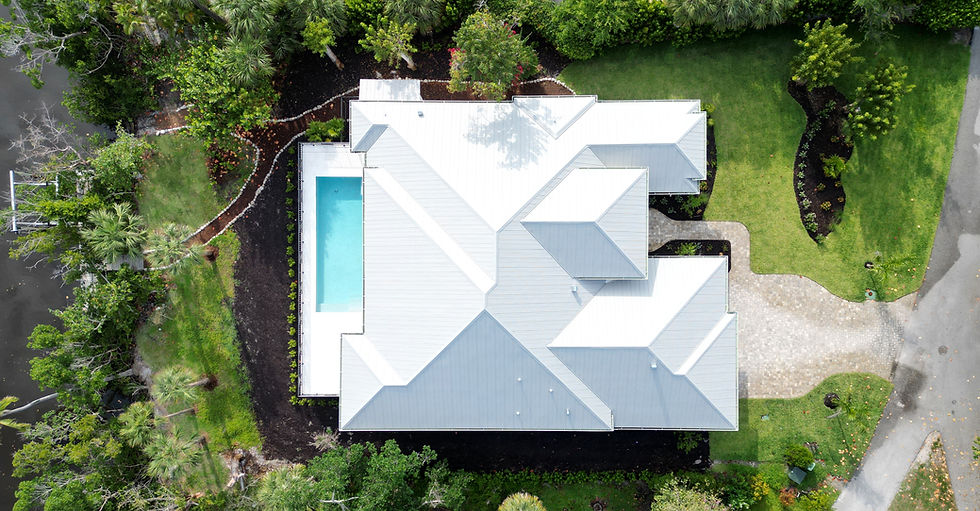
Standing seam metal roofing (aluminum or Galvalume)
Composite decking or porcelain pavers for outdoor spaces
Marine-grade stainless steel or hot-dipped galvanized fasteners
These materials are specifically designed to withstand coastal conditions in Lee County, including high humidity, storm surge exposure, and long-term environmental wear.
Why Material Selection Matters More in Fort Myers Than Most Markets
Fort Myers is a coastal engineering environment, not a standard residential construction market.
Material performance is directly influenced by:
1. FEMA Flood Zones (AE & VE)
Materials must resist water exposure
Lower levels often require flood-resistant assemblies
Structural systems must withstand hydrostatic pressure
Learn how FEMA flood zones affect material selection, elevation requirements, and structural systems in our Fort Myers Flood Zones & Coastal Building Requirements Guide.
2. Hurricane Wind Loads (150+ MPH)
Materials must resist uplift, impact, and pressure
Fastening systems are just as important as materials
Openings (windows/doors) must meet strict impact ratings
3. Salt-Air Corrosion
Salt air accelerates deterioration of:
Metals
Fasteners
Mechanical systems
Exterior finishes
4. Humidity + Moisture Intrusion
Materials must resist mold and rot
Interior finishes must handle moisture fluctuations
HVAC design ties directly into material performance
The Biggest Mistake Homeowners Make
The most common mistake in Fort Myers coastal construction is choosing materials based on:
Appearance
Cost alone
Inland construction standards
Instead of performance in a coastal exposure environment.
In Fort Myers, the correct approach is: “Select materials based on environmental performance first, then design.”
Exterior Wall Systems: What Actually Works in Coastal Fort Myers
1. Concrete Block (CMU Construction)
Why It’s the Standard in Southwest Florida
Concrete block construction is widely used because it provides:
Structural strength against hurricanes
Moisture resistance
Longevity in coastal environments
Performance Benefits
Resistant to rot, pests, and moisture
Handles high wind loads
Works well with stucco and modern finishes
Limitations
Requires proper waterproofing
Can crack without correct reinforcement
Needs high-quality coatings in salt environments
2. Insulated Concrete Forms (ICF)
High-End Coastal Performance System
ICF construction combines:
Reinforced concrete core
Insulated foam panels
Advantages
Superior energy efficiency
Excellent hurricane resistance
Sound insulation
Moisture resistance
Best Use Case
Luxury waterfront homes
Energy-efficient builds
High-performance coastal construction
3. Wood Framing (When Done Correctly)
Wood framing is still used in Fort Myers, but only when:
Properly elevated
Fully protected from moisture
Engineered for wind loads
Required Upgrades
Pressure-treated lumber
Advanced moisture barriers
Hurricane tie-down systems
Risk
Without proper detailing, wood framing is more vulnerable in coastal environments.
Best Coastal Materials Comparison (Fort Myers)
Material | Best Use | Coastal Performance | Maintenance Level |
Concrete Block (CMU) | Structural walls | Excellent | Low |
ICF | High-end builds | Excellent | Very Low |
Fiber Cement | Exterior siding | Very High | Low |
Porcelain Panels | Luxury cladding | Excellent | Very Low |
Aluminum Windows | Openings | Excellent | Low |
Metal Roofing | Roofing | Excellent | Very Low |
Composite Decking | Outdoor areas | Very High | Very Low |
Exterior Cladding: The First Line of Defense
1. Fiber Cement Siding
One of the Best Coastal Materials
Fiber cement offers:
Resistance to rot, insects, and moisture
Excellent durability in salt air
Minimal expansion/contraction
Why It Works in Fort Myers
Handles humidity and UV exposure
Long lifespan with proper installation
Works in both modern and coastal designs
2. Stucco Systems (Properly Installed)
Stucco remains common in Fort Myers but must be installed correctly.
Requirements for Coastal Performance
Moisture barrier system
Proper drainage plane
Crack-resistant application
Risks
Poor installation leads to:
Water intrusion
Cracking
Mold issues
3. Porcelain Panel Cladding (Luxury Trend)
Modern waterfront homes increasingly use:
Large-format porcelain panels
Benefits
UV resistant
Salt-air resistant
Extremely low maintenance
High-end modern aesthetic
These materials are commonly used in modern waterfront homes where durability and design must work together. See how they are applied in real projects in our Waterfront Home Design Trends in Fort Myers guide.
Windows & Doors: The Most Critical Material Decision
Impact-Rated Glass Systems
In Fort Myers, impact-rated windows are not optional, they are essential. These systems are a core part of hurricane-resistant design and are fully integrated into structural planning, as explained in our Design-Build Construction in Fort Myers Explained Guide.
Requirements
Laminated glass
Hurricane-rated frames
Pressure-tested assemblies
Performance Benefits
Protect against debris impact
Reduce insurance costs
Improve energy efficiency
Frame Materials
Aluminum (Best Option)
Corrosion-resistant coatings
Strong structural performance
Ideal for large openings
Vinyl (Limited Use)
Less common in high-end homes
Not ideal for large spans
Large Sliding Glass Systems
Luxury waterfront homes often feature:
20–40 ft wide openings
These require:
Engineered structural support
High-performance rollers and tracks
Water intrusion management systems
Roofing Materials for Coastal Homes in Fort Myers
1. Metal Roofing (Top Choice)
Why Metal Dominates Coastal Construction
Wind-resistant
Long lifespan (40–70 years)
Reflects heat
Corrosion-resistant (when properly coated)
Best Types
Standing seam aluminum
Galvalume systems
2. Concrete Tile Roofing
Common in Southwest Florida
Durable in heat and UV
Aesthetic appeal
Downsides
Heavy
Can fail under extreme wind if not installed properly
Coastal Fasteners & Hardware (Most Overlooked Factor)
Even the best materials fail if fasteners are wrong.
Required Materials
Stainless steel (marine-grade)
Hot-dipped galvanized fasteners
Why It Matters
Salt air destroys:
Standard nails
Screws
Connectors
This leads to:
Structural failure
Premature deterioration
Decking & Outdoor Living Materials
1. Composite Decking
Best Overall Option
Moisture resistant
No rot or splintering
Low maintenance
2. Porcelain Pavers
Growing Luxury Trend
Slip-resistant
Extremely durable
Minimal maintenance
3. Natural Wood (Limited Use)
Only recommended when:
Properly sealed
Regularly maintained
Otherwise:
Warps
Rots
Fades quickly
Interior Materials for Coastal Homes
Flooring
Best Options
Porcelain tile
Natural stone
Engineered hardwood (limited use)
Avoid
Solid hardwood (moisture risk)
Cabinetry
Marine-grade plywood construction
Moisture-resistant finishes
Countertops
Quartz (best balance)
Natural stone (properly sealed)
These material strategies are also critical in renovation projects, where existing structures must be upgraded for coastal durability. See real-world applications in our Fort Myers Luxury Remodeling Guide.
Mechanical Systems & Coastal Durability
Materials extend beyond finishes.
HVAC Systems
Corrosion-resistant components
Elevated placement above flood level
Electrical Systems
Moisture-protected wiring
Elevated outlets in flood-prone areas
How Material Selection Impacts Cost in Fort Myers
Material choices significantly affect total construction cost.
Cost Increases vs Inland Construction
Coastal materials: +15% to 40%
Impact glass: major premium
Metal roofing: higher upfront, lower lifetime cost
Roofing material choices also play a major role in overall construction cost and long-term performance. See our Fort Myers Custom Home Cost Guide for a full breakdown of material-driven pricing.
How Design-Build Improves Material Selection
Material decisions should happen early, not after design.
In a design-build system:
Materials are selected based on engineering
Budget aligns with real-world performance
Fewer change orders
Learn how material selection, engineering, and budgeting are integrated early in the process in our Design-Build Construction in Fort Myers Explained Guide.
Real-World Example: Coastal Material Failure vs Success
Poor Material Selection
Standard fasteners used
Low-grade windows installed
Wood exposed to moisture
Result:
Corrosion within 2–5 years
Water intrusion issues
Expensive repairs
Proper Coastal Material Strategy
Marine-grade fasteners
Impact-rated glass
Composite exterior materials
Result:
Long-term durability
Lower maintenance costs
Higher property value
Real-World Material Performance in Fort Myers Coastal Homes
In Fort Myers, material performance is directly tied to environmental exposure and construction requirements:
Metal roofing lifespan: 40–70+ years in coastal conditions
Fiber cement siding lifespan: 30–50 years with proper maintenance
Impact-rated windows: 20–30+ year lifespan
Coastal material upgrades: increase construction cost by 15%–40%
Standard (non-coastal) materials may fail within 5–10 years in salt-air environments
These real-world performance metrics highlight why material selection is one of the most critical decisions in coastal construction.
How Materials Fit Into the Bigger Picture of Coastal Construction in Fort Myers
Material selection is only one part of building a successful coastal home in Fort Myers. The most important factor is how materials integrate with:
FEMA flood zone requirements
Structural engineering and hurricane resistance
Construction cost and budgeting
Architectural design and layout
To fully understand how these elements work together, explore these related guides:
Fort Myers Custom Home Builder & Remodeling Guide (complete overview)
Fort Myers Flood Zones & Coastal Building Requirements Guide (elevation + compliance)
Fort Myers Custom Home Cost Guide (pricing breakdown)
Design-Build Construction in Fort Myers Explained Guide (process + efficiency)
Waterfront Home Design Trends in Fort Myers (architecture + layout)
Key Takeaways: Best Materials for Coastal Homes in Fort Myers
The best materials for coastal homes in Fort Myers must be:
Hurricane-resistant
Moisture-resistant
Corrosion-resistant
Engineered for flood compliance
Top-performing materials include:
Concrete block or ICF construction
Fiber cement or porcelain cladding
Impact-rated aluminum windows
Metal roofing systems
Composite decking
Marine-grade fasteners
Frequently Asked Questions
What is the most durable exterior material in Fort Myers?
Concrete block with high-performance coatings is one of the most durable systems.
Are impact windows required in Fort Myers?
Yes, in most cases due to hurricane codes.
What materials resist salt air best?
Aluminum, stainless steel, fiber cement, and porcelain perform best.
Is wood a bad choice for coastal homes?
Not necessarily, but it must be properly treated and protected.
Build Smarter With Coastal Materials in Fort Myers
Choosing the right materials is one of the most important decisions in coastal home construction. In Fort Myers, durability, performance, and engineering must come before aesthetics.
The most successful custom homes in Lee County integrate:
Coastal engineering principles
High-performance materials
Design-build coordination
To understand how materials, cost, flood zones, and design all work together, explore our main guide:
Comments